Summary
Ice dams are one of the most common winter roof problems in Northern Ohio, and they start in the attic long before ice ever shows up at the eaves. This post walks homeowners through how ice dams form, why Lake Erie’s snowfall and freeze-thaw cycles make the region especially prone to them, and which warning signs to watch for before damage reaches the ceiling. It also covers popular fixes that don’t actually solve the problem, along with the ventilation and insulation improvements that do. Homeowners can use the interactive quiz to score their own roof’s risk and get a specific, prioritized recommendation instead of a generic checklist.
| Time to Read | ~6 minutes (+ 2 minutes for the interactive quiz) |
| What You’ll Learn |
|
| Next Steps |
|
Winter in Northern Ohio brings plenty of snow, but snow isn’t always the biggest concern for your roof. Sometimes the trouble starts when snow melts, runs down the roof, and freezes again along the colder eaves.
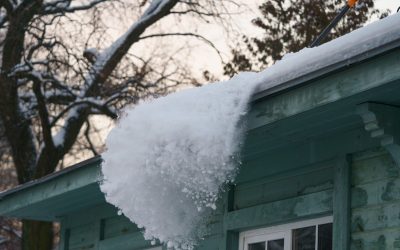
That’s how an ice dam can form. Once enough ice builds up, melting snow has nowhere to drain normally. Water can back up beneath the shingles and eventually make its way into your attic or living space.
The good news is that ice dams aren’t just another fact of winter that you have to deal with. In many cases, you can address the conditions that create them before the first major snowfall.
Take our interactive eight-question ice dam risk quiz to see whether your home falls into a low, moderate, or high-risk category and find out which improvement could make the biggest difference for your roof.
Northern Ohio Roof Restoration helps homeowners throughout Northern Ohio understand their roof’s condition with thorough roof inspections and address problems before they become expensive repairs.
Score Your Roof’s Ice Dam Risk
Every roof in Northern Ohio carries some ice dam risk this time of year, but yours might carry more than you think.
Answer eight quick questions about your attic insulation, your venting setup, your roof pitch, and your icicle history, and your result will place your home in a low, moderate, or high-risk category. It’ll also identify the single highest-impact fix based on your answers.
How an Ice Dam Forms
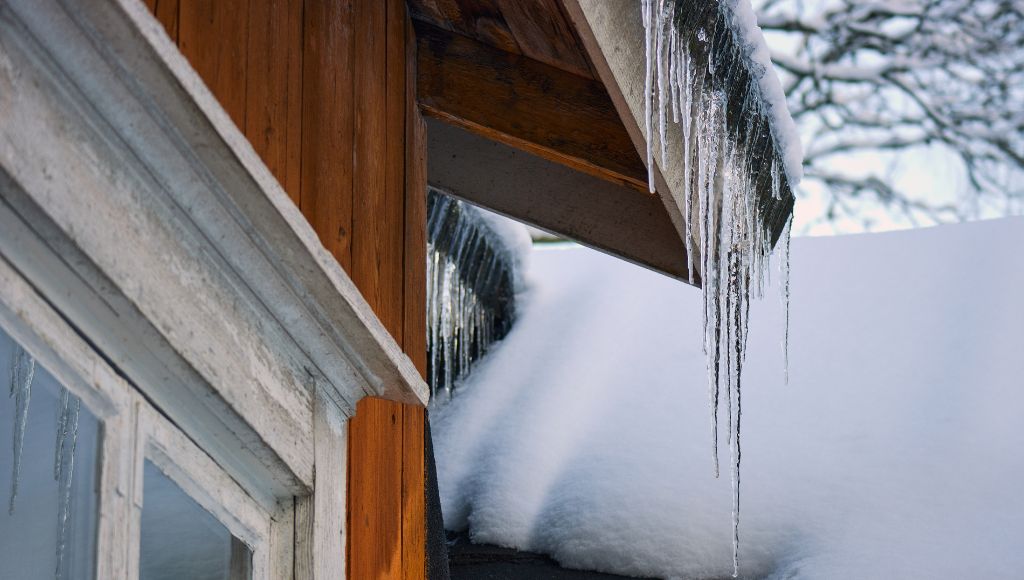
A common misconception is that ice dams are a result of an accumulation of snow on your roof, but the truth is that the real problem starts under the snow, in your attic.
Warm Air Heats the Roof
During a snowy winter, heat from your living space can escape into the attic. If the attic isn’t properly insulated and air-sealed, that heat can warm the underside of the roof. Snow sitting over the warmer portion of the roof begins to melt.
Meltwater Runs Toward the Eaves
The water flows down the roof toward the eaves. But the lower portion of the roof is usually colder because it isn’t being warmed by the attic in the same way. When that meltwater reaches the colder section, it freezes again.
Ice Builds Into a Dam
As melting and refreezing continue, the ice can build into a ridge along the eaves. More snow melts above it, but the water can no longer drain normally. That trapped water sits behind the ice above the shingle line, and eventually, it can work its way beneath the roofing materials and into your home.
The most important thing to note is that an ice dam usually isn’t the root problem. Uneven roof temperatures caused by heat loss and ventilation problems are often part of what allows it to form.
Why Northern Ohio Is Especially Prone to Ice Dams
Homeowners around Lake Erie don’t have to look far for reasons to take winter roof conditions seriously.
Northern Ohio can experience heavy lake-effect snowfall along with frequent freeze-thaw cycles. Add to that the fact that Northern Ohio racks up more than 50 freeze-thaw cycles per winter, and heavier weather exposure for properties close to Lake Erie, and you’ve got the perfect recipe for ice dam growth.
Repeated temperature changes matter because an ice dam doesn’t have to form in a single storm. Snow can melt during a warmer period, freeze when temperatures drop, and then melt again during the next temperature swing.
For homeowners in communities like Sandusky, Port Clinton, Huron, Lorain, and the Lake Erie Islands, heavy winter weather can test these conditions, which is why preventing the conditions behind an ice dam is more useful than dealing with the ice after it forms.
Ice Dam Warning Signs
You don’t need to climb onto the roof to spot trouble. A few signs tend to show up before the damage reaches your ceiling.
| Warning Sign | What It Means | If You Ignore It |
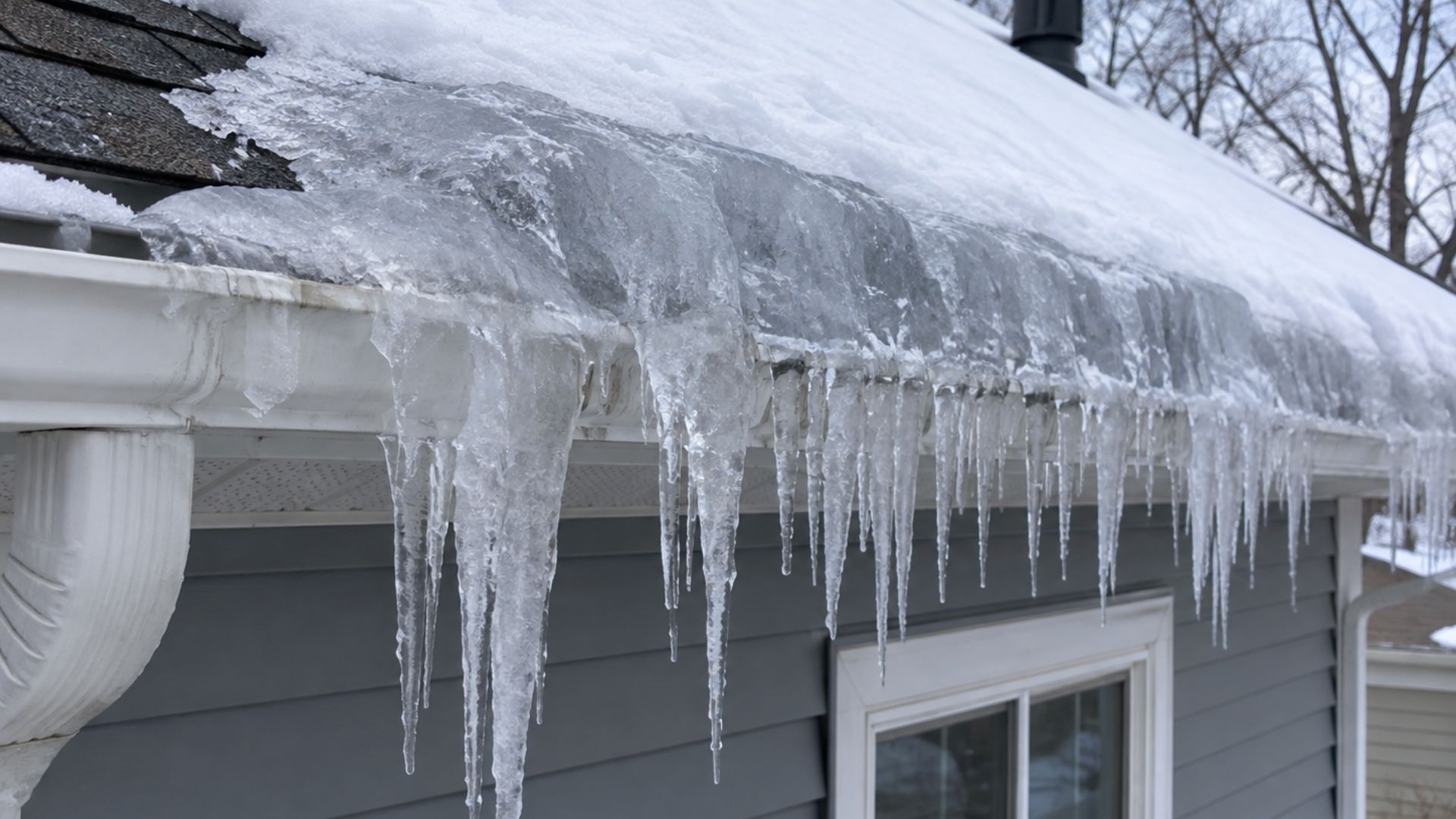
| Thick icicles along the eaves | Meltwater is refreezing at the roof edge | Ice ridge builds and traps more water behind it |
| Ice packed inside the gutter | Water is backing up instead of draining | Gutters pull away from the fascia under the weight |
| Damp or compressed attic insulation | Warm, moist air is escaping into the attic | Insulation loses effectiveness; heat loss gets worse |
| Staining on ceilings near exterior walls | Trapped water has already pushed under the shingles | Drywall, insulation, and framing damage inside the home |
What Doesn’t Fix an Ice Dam Problem
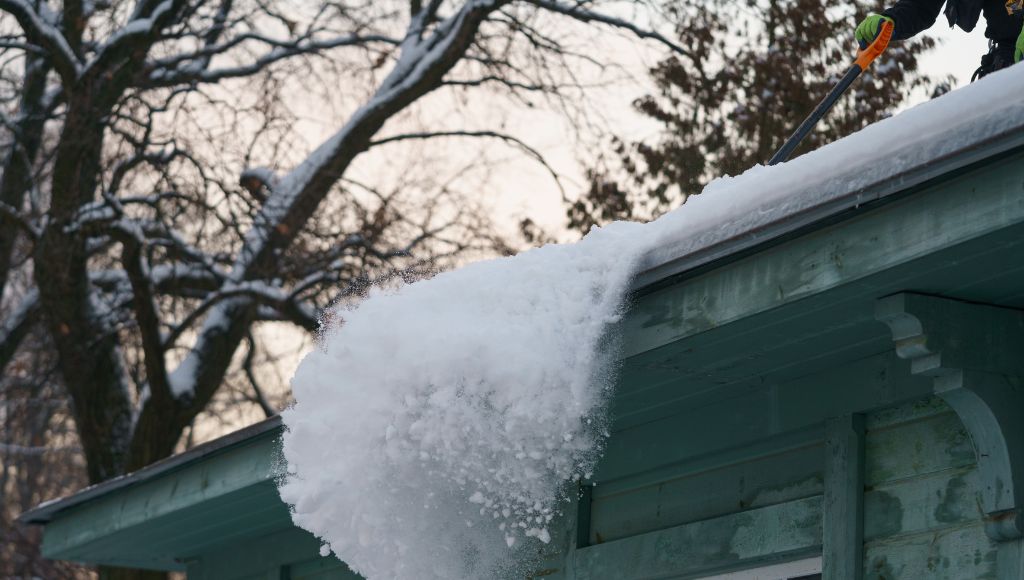
Once ice starts building up, it’s tempting to look for a quick fix. Some common approaches, however, treat the symptom rather than the cause, and can sometimes do more harm than good.
- Roof salt tablets: De-icing products may seem like an easy answer, but they don’t correct the heat loss or ventilation conditions that allowed the ice dam to form.
- Chipping away at the ice: Using tools to break apart an ice dam can damage shingles and create additional problems. Removing some ice doesn’t address the underlying reason the roof repeatedly melts and refreezes.
- Heat cable as a substitute for ventilation: Heat cable can sometimes supplement problem areas, but it shouldn’t replace proper attic insulation, air sealing, and ventilation.
The goal isn’t just to remove an ice dam. It’s to reduce the conditions that allow one to form in the first place.
What Actually Fixes (and Helps Prevent) Ice Dams
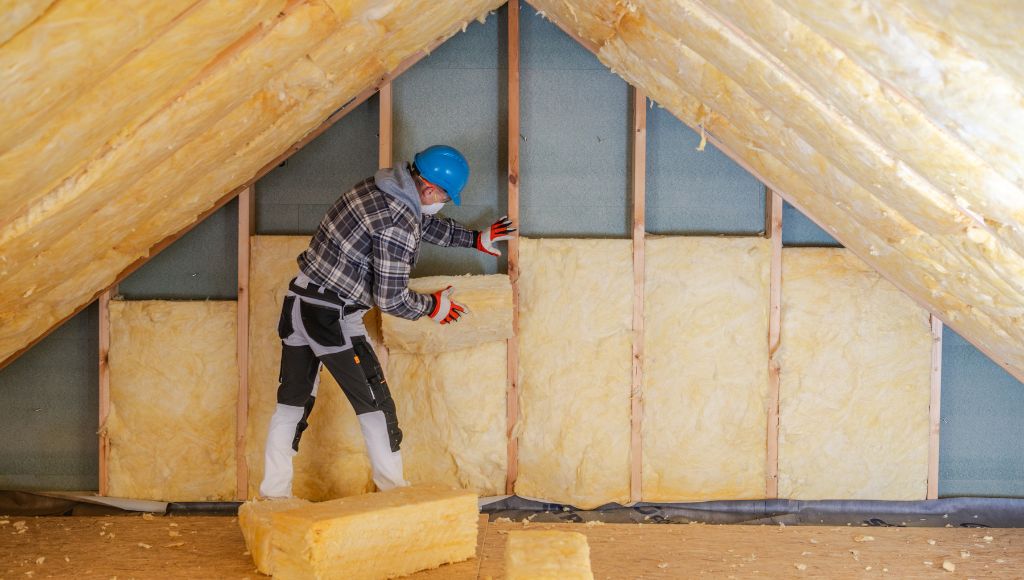
Every real fix comes back to one simple solution: keeping heat out of your attic in the first place.
Air Seal the Attic Floor
Warm household air shouldn’t be freely escaping into the attic. Air sealing helps reduce that heat transfer at the source. Areas around attic penetrations, fixtures, and other openings can let conditioned air move into the attic if they aren’t properly sealed.
Balance Intake and Exhaust Ventilation
Your attic needs a good path for air to enter and exit. That means having adequate intake ventilation, such as soffit vents, along with effective exhaust ventilation. The two need to work together, so adding an exhaust vent alone won’t solve a ventilation problem if intake airflow is too low.
Add Insulation Where It’s Needed
Insulation helps keep heat where you want it, which is inside the living space rather than in the attic. If your attic doesn’t have enough insulation, adding more can help reduce heat transfer through the ceiling and keep roof temperatures more consistent.
If you’re not sure how much insulation you have or whether your attic ventilation is working properly, that’s a good reason to have a professional evaluate the space instead of guessing.
Where Roof Restoration Fits In
Ice dams aren’t only a water problem. The repeated freeze-thaw stress that comes with them is also hard on the shingles themselves.
Flexible shingles handle that stress far better than shingles that have already dried out and gone brittle, resisting the cracking that comes with repeated ice loading. A Roof Maxx treatment restores that flexibility, making it a smart complement to ventilation and insulation work rather than a replacement.
Protect Your Roof Before the Next Snowfall
Ice dams look like a winter weather problem, but they’re really an attic problem that shows up during winter weather. Fixing the heat loss at the source, whether that means air sealing, better ventilation, more insulation, or restoring shingle flexibility, does more for your roof than any amount of salt tablets or heat cable ever will.
Northern Ohio Roof Restoration offers free, no-obligation inspections that look at your attic and your shingles together, so you know exactly where your risk is coming from before the next heavy snow hits. Call (419) 341-0656 or schedule your inspection online today.