Summary
Temperature, not the calendar, determines what you can do to your roof and when. Asphalt shingle replacement needs sustained warmth for the adhesive strip to seal, while Roof Maxx restoration needs a dry, frost-free surface for the treatment to soak in properly. As Northern Ohio’s fall weather turns colder and damper, these two service windows close at different rates, with restoration typically ending first. Homeowners who wait too long risk more than a delay. A marginal roof left untreated through one more freeze-thaw season can slide from a restoration candidate into replacement-only territory.
| Time to Read | ~6 minutes |
| What You’ll Learn |
|
| Next Steps |
|
Most homeowners think of roofing work as a summer job, something you schedule between the last frost and the first snow. But the real deadline isn’t a date on the calendar. It’s a temperature reading. Once the mercury drops below a certain point, asphalt shingles stop behaving the way they’re supposed to, and both roof replacement and Roof Maxx restoration get harder to do right, and eventually impossible to do at all. If you’ve been putting off a roof decision because it’s already fall, you might have less time than you think, or more than you’d guess, depending on which service your roof actually needs.
Northern Ohio Roof Restoration tracks these temperature thresholds in the communities we serve. Lake Erie weather can differ between Sandusky and Port Clinton and Tiffin or Fremont, so timing isn’t the same everywhere.
If you’re not sure whether your roof needs restoration or replacement, an inspection can help you figure that out while both options are still available.
Check Your Service Area’s Countdown
See where your town stands right now. The countdown below pulls local forecast data for each of our service area communities and shows how many working days are left in this year’s window, along with a recommendation on whether to book now or plan for spring.
Why Temperature Matters for Roof Replacement
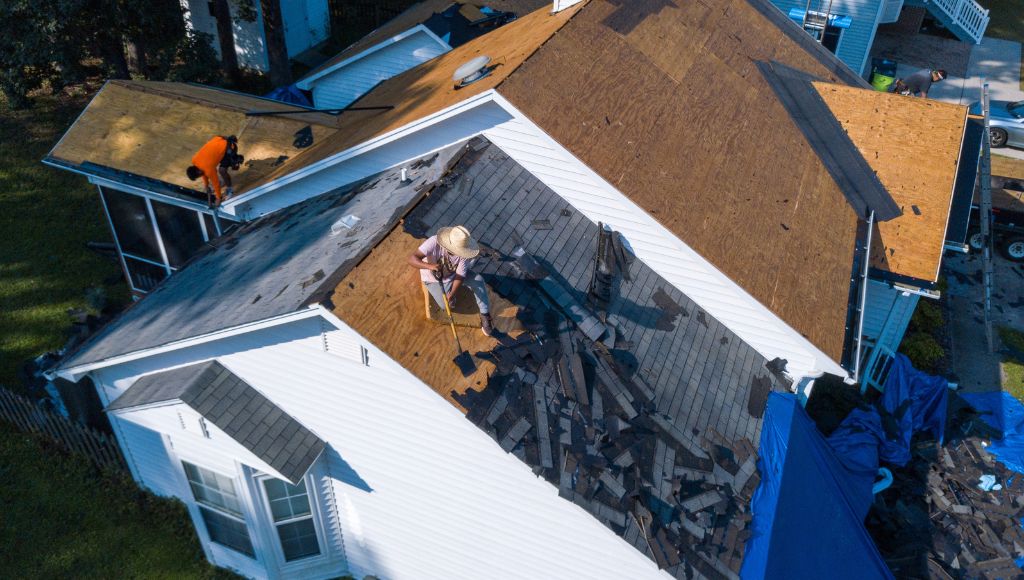
New asphalt shingles rely on more than nails to stay put, and getting the timing right is what keeps a new roof performing the way it’s supposed to for the next twenty years.
The Adhesive Strip Needs Sustained Warmth
Asphalt shingles have an adhesive strip that helps each shingle bond to the one below it. The strip needs temperatures in the 40s to start activating, and sealing works best when temperatures are between about 45 and 85 degrees.
Fall weather can make this a little less straightforward. A dark shingle sitting in direct sun can warm up quite a bit even when the air feels cool. The bigger problem comes when overnight temperatures drop into the 30s, and the roof doesn’t warm up much during the day. In those conditions, the adhesive may take weeks or even longer to seal on its own.
Hand Sealing Below the Threshold
When temperatures drop below the self-sealing range, our crews don’t just walk away from the job. Each tab gets hand-sealed with roofing cement instead of relying on the factory strip to do the work on its own. It’s a slower process, and it adds labor to the install, but it’s how a quality crew keeps a new roof watertight and wind-resistant through a Northern Ohio winter.
Cold Shingles Crack When Handled
Cold temperatures make asphalt shingles stiff and brittle. If you bend a shingle when it’s freezing out, it can crack even if it looked fine when it came out of the bundle. Crews have to be more careful with shingles as temperatures fall, which can also slow the work down. It’s also worth checking the manufacturer’s temperature requirements, since work done outside that range may not be covered by the warranty.
Why Temperature Matters for Roof Maxx Restoration
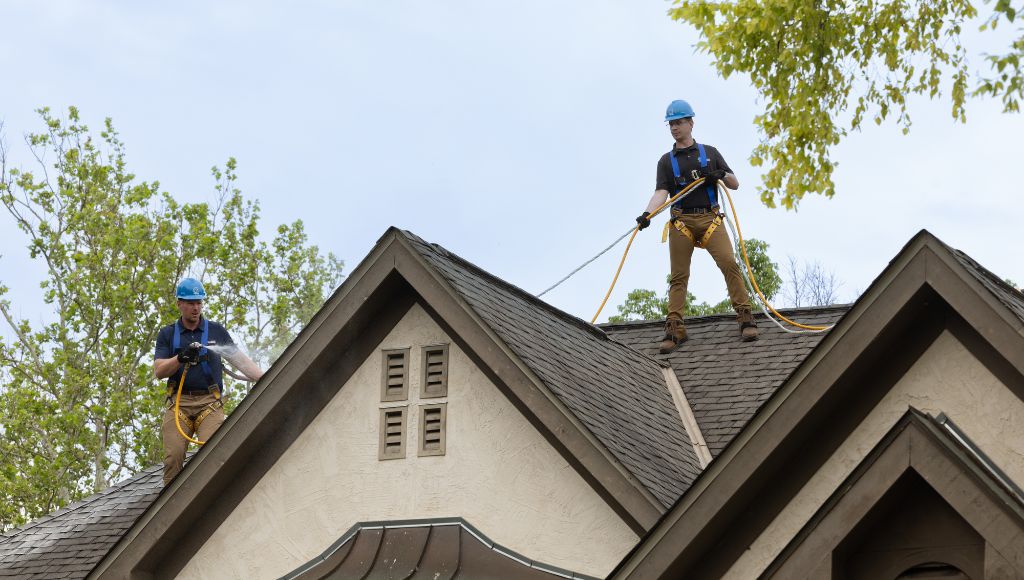
Roof Maxx is applied differently from a new roof, so cold weather creates a different set of problems. The treatment is an all-natural oil that soaks into the shingles instead of sitting on the surface. Manufacturer guidance puts the minimum application temperature for Roof Maxx restoration treatment at around 36 degrees, and the roof needs to be dry and free of frost.
That can make the timing a little tricky in the fall. You might think you could do a treatment with a lower temperature requirement later in the year than a roof replacement, but around Lake Erie, that’s usually not how it works. Frost and dew can stick around on a roof well after the sun comes up, especially on north-facing slopes. The moisture in the air from the lake doesn’t help, either. Even on a clear day, the shingles may not stay dry long enough.
The treatment needs about 30 minutes to an hour on a dry, penetrable surface to soak in properly. As the days get shorter, finding that kind of window becomes more difficult. While a replacement crew has other options when temperatures drop, including hand-sealing shingles, a restoration treatment can’t be rushed if the surface isn’t ready. That’s one reason Roof Maxx work in Northern Ohio generally needs to be scheduled several weeks before the window for shingle replacement closes.
Replacement vs. Restoration Temperature Thresholds at a Glance
Here’s how the two services stack up side by side, so you can see which one is still realistically on the table for your roof right now.
| Roof Replacement | Roof Maxx Restoration | |
| Minimum Working Temperature | Around 40°F, with the best sealing between 45°F and 85°F | Around 36°F, with a dry, frost-free surface required |
| Below the Threshold | Hand sealing by the crew | Application postponed until conditions improve |
| Typical Northern Ohio Cutoff | Can continue into early winter with hand sealing | Usually wraps up several weeks earlier, once frost and lake humidity become a daily obstacle |
What You Can Still Get Done in December Through February
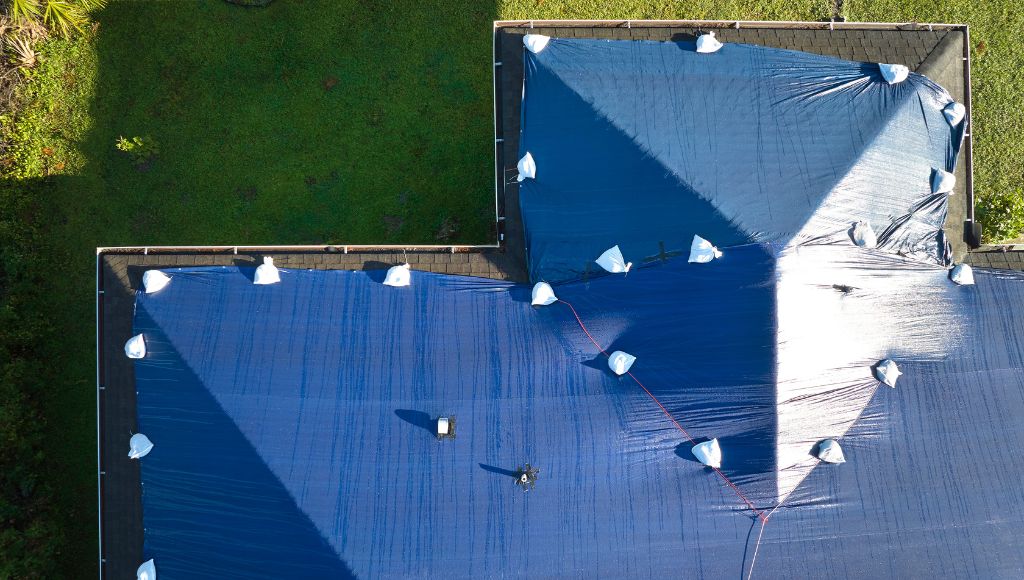
A closed installation window doesn’t mean we disappear until spring. Plenty of roofing work still needs doing through the coldest months, and getting ahead of it now saves you a scramble later.
- Emergency repair for storm damage, active leaks, and blown-off shingles
- Tarping to protect exposed decking until conditions allow a permanent fix
- Interior diagnosis, tracing a leak back to its source before drywall and insulation take more damage
- Inspections booked now, so you’re first on the schedule when the spring rush hits
The Cost of Waiting Through Another Freeze-Thaw Season
A roof that qualifies for restoration today isn’t guaranteed to qualify next spring. Northern Ohio roofs go through more than fifty freeze-thaw cycles most winters, and each one works tiny cracks a little wider and pulls a little more flexibility out of aging shingles. A roof that’s a borderline restoration candidate in October can slide into replacement-only territory by March, simply because it sat untreated through one more winter.
That’s the real cost of waiting. It isn’t just a delay. It’s a roof that may no longer have the option you were counting on. An inspection now tells you exactly how much runway your roof has left this season.
Know the Warning Signs
If you’re not sure which category your roof falls into, the clearest signs are often ones you can spot from the ground: curling shingles, granules collecting in your gutters, water stains on the ceiling. We’ve covered those in detail in our post on how to know if your roof needs replacing, so we won’t repeat the whole list again. What matters here is timing. Whatever condition your roof is in, the window to act on it responsibly is shorter than the calendar suggests.
Don’t Let the Season Decide for You
Temperature, not the calendar, decides what your roof can have done right now. Whether that’s a full replacement, a Roof Maxx treatment, or a repair to get you through to spring, Northern Ohio Roof Restoration can tell you exactly where your roof stands today. Call us at (419) 341-0656 or schedule an inspection online before the season closes the window for you.